
Where to Stay When Moving to New Zealand (4 Accommodation Options Explained)
HOME SEARCHRELOCATION GUIDANCE
Nicki
4/6/20265 min read
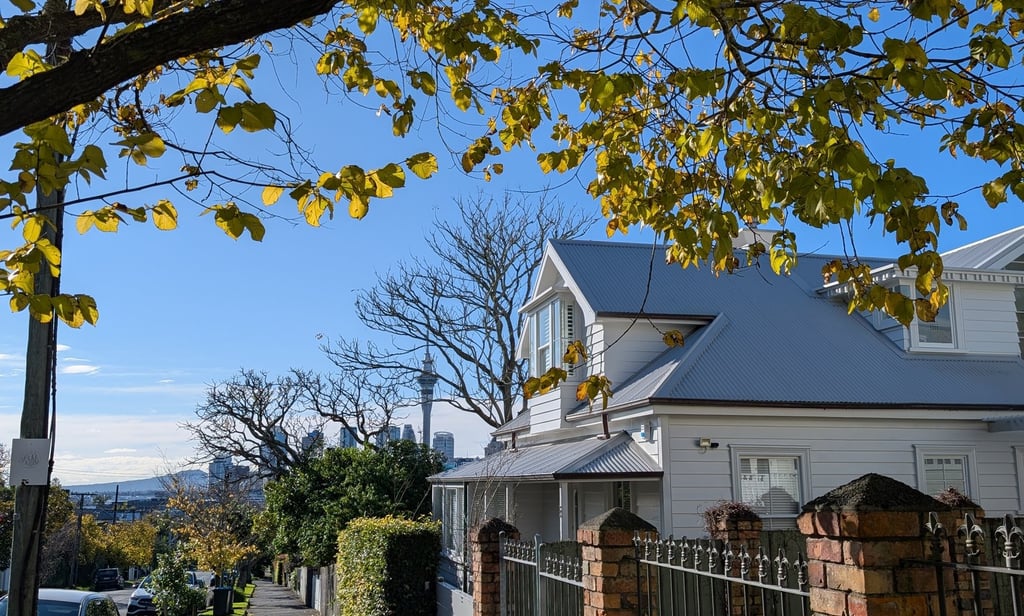
Where should you stay when you first move to New Zealand? Most families choose between moving straight into a rental, staying in an Airbnb or furnished accommodation, using employer-funded housing, or house-sitting. Each option comes with different costs, risks and levels of stress, especially when relocating with children.
Where to Stay When You First Move to New Zealand
It’s one of the most common questions I see in relocation groups, and for good reason. Your choice here can shape your entire first few weeks (and sometimes months) in the country.
There’s no one-size-fits-all answer, but there are four main options most families consider. The right one depends on your timeline, budget, and how much certainty you want when you arrive.
The 4 Main Accommodation Options When You Arrive in New Zealand
1. Move straight into your long-term rental
This is, without question, the least stressful and most stable option if you can make it work with someone you trust.
You arrive in New Zealand with:
your home secured;
your address sorted for schools, shipping and banking;
no need to move again.
For families, especially, this can make a huge difference to how settled those first few weeks feel.
However, the challenge is that most rental agents don’t accept applications sight-unseen - that means you’ll usually need:
someone you trust on the ground to view for you - either a friend, or our Home Search Service;
or a live video viewing with an agent (which can be difficult with time zones).
It’s also worth understanding how important strong applications and references are in New Zealand.
2. Air BnB, serviced apartments, or furnished rentals
This is the most common route people take when deciding where to stay when moving to New Zealand. There are a number of sites such as Air BnB, Book A Bach (Vrbo), booking.com etc.
It is flexible and low risk:
book somewhere for 2–4 weeks;
arrive, explore, and find a rental.
This is a flexible option that lets people explore, but it is also the most expensive option with lower certainty.
The reality of short-term accommodation
A 3-4 bedroom Air BnB or furnished rental in Auckland typically costs $5,000–$8,000+ per month, depending on the season. Availability can also be a major issue as New Zealanders are extremely organised with holidays!
December-January is peak season;
March can still be busy;
school holidays (April, July, September/October) reduce availability;
public holidays also impact prices and supply.
Our experience (and why I’m cautious about this option)
I always say I set up As The Kiwi Flies to help people avoid the mistakes we made when we moved, and this was definitely one of our biggest headaches! We booked furnished accommodation (through Vrbo) that was advertised as a 4-bedroom home. It was so damp and mouldy that the master bedroom hadn’t even been made up, the kids’ bedsheets were still wet, there was black mould on the ceilings and in cupboards and you could smell it everywhere!
We stayed one night (because we arrived late and had no choice!) then had to scramble to find somewhere else at the same time as viewing long-term houses and trying to settle in. I should say, we were unlucky, and this is not an experience everyone will have of course - but it did make that period of time a LOT more stressful than necessary, and what followed was four different properties, constant packing and unpacking, living out of suitcases, and trying to start school for the kids in the middle of it.
We’d planned for there to be 2 weeks of temporary accommodation, but it actually took 4 weeks before our lease started.
The worst part was the owner and accommodation site refused to refund us, and it took six months and credit card protection to recover the money!
A better version of this option
If you do go down this route, I strongly recommend using a reputable provider like Furnished Rentals Auckland. If you’d like an introduction (and access to their best rates), feel free to contact me and I can connect you.
3. Employer-funded temporary accommodation
If your employer offers this, it can be a fantastic option. It gives you:
a financial buffer;
flexibility to explore;
time to find the right home.
It is really important to understand how long it actually lasts and whether it realistically covers your full rental search timeline, but if your employer offers it, it can give you a much lower-stress rental search period when you first arrive. I often search with families in this scenario, to provide the expertise to ensure they get accepted for a rental before their free accommodation runs out.
Some families also choose to redirect the accommodation budget into:
flights;
shipping;
or securing a rental before arrival.
4. House-sitting/Pet-sitting (e.g. Kiwi House Sitters)
House-sitting can be an excellent low-cost or free option. We personally use Kiwi House Sitters, the biggest house-sitting site in the country with more house sitting opportunities than any other New Zealand platform.
It works well if you:
are flexible;
don’t mind caring for pets;
are comfortable living in someone else’s home.
But there are trade-offs:
you may need to move between sits;
school zoning can be an issue for families;
it’s not ideal if you’re arriving with a lot of luggage, unless there's a big garage/storage shed etc.
The biggest mistake people make
The biggest mistake I see is underestimating timelines. People assume they’ll find a rental in 1–2 weeks (possible, but not guaranteed) and short-term accommodation will be easy to extend.
In reality:
rental timelines can stretch to 3-5+ weeks;
short-term availability is limited;
costs increase quickly;
and you can end up moving every few days if you encounter any cancellations or need to alter your booking.
How this fits into the cost of living in New Zealand
Accommodation is your biggest expense when you move, but it’s not just rent. Temporary accommodation, utilities, and setup costs can add up quickly.
If you’re planning your budget, you can also download my Auckland suburb rental cost breakdown here:
👉 https://www.asthekiwiflies.com/average-rental-costs-by-auckland-suburb
Which option is right for you?
Family with children starting school quickly
→ Move straight into a rental
Want lowest stress and most certainty
→ Move straight into a rental
Need to see properties in person
→ Employer-funded accommodation or short-term rental/Air BnB
Tight budget / flexible lifestyle
→ House sitting
Want flexibility and time to explore
→ Air BnB or furnished rental (with caution)
My honest recommendation
If you want less stress, fewer moving parts, certainty for the kids, and a smoother start to life in New Zealand then having your rental sorted before you arrive is by far the best option.
If you do want to house-hunt in person, then employer-funded accommodation or housesitting are the safest ways to do it.
How I can help
If you're still in the planning stages, this is exactly what I cover in my Explore and Prepare Call:
👉 https://www.asthekiwiflies.com/auckland-rental-home-search
It’s a one-off session where we:
look at suitable areas based on your lifestyle and budget;
sense-check your expectations;
walk through the rental process;
and map out the best strategy for your move, anywhere in New Zealand.
Final Thoughts
Where you stay when you first arrive isn’t just about convenience, it affects:
how quickly you settle;
how stressful those first weeks feel;
and how much your move ends up costing.
A bit of planning here can make a huge difference - if you have any questions or need help from someone who supports people through these issues every week, please send me an email info@asthekiwiflies.com and I will reply to you as soon as I can. No question is "small" or "silly" here!
Affiliate Disclaimer
This article contains an affiliate link to Kiwi House Sitters. If you choose to use this service, I may receive a small commission at no additional cost to you.